
What are the differences between centrifugal compressors and screw compressors?
Release time:2026-11-27 Click:0
What are the differences between centrifugal compressors and screw compressors?In industrial fields such as chemical engineering, food processing, electronics, and steel manufacturing, compressed air is an essential power source for production. Screw compressors and centrifugal compressors, as two major mainstream types, are often compared. Many companies struggle when selecting air compressors, lacking clarity on the applicable boundaries between them. Choosing the wrong type not only results in high energy consumption but also affects the quality of the air supply and production stability. Turbo-Tech will explain the core differences between centrifugal and screw compressors from multiple perspectives, including their principles, air quality, load characteristics, and applicable scenarios.
ⅠWhat are the differences between centrifugal compressors and screw compressors?
1.From the perspective of compression principles,
Screw compressors are type-vacuum compressors that rely on a pair of rotating male and female screws to continuously engage, reducing the enclosed volume between the teeth, thereby compressing and increasing pressure. The compression process is achieved through the engagement of the rotors. There are two main types on the market: micro-oil-immersed screw compressors and dry oil-free screw compressors.
On the other hand, centrifugal compressors are speed-type (turbine-type) compressors, with the core component being a high-speed impeller. Gas enters the compressor and is accelerated by the impeller to gain kinetic energy, then reduced in speed by the diffuser, converting kinetic energy into pressure energy. These compressors typically feature multi-stage compression and inter-stage cooling structures, and there is no rotor friction during the compression process, resulting in fewer moving parts.
2. In terms of air source cleanliness
The conventional micro-oil screw compressor achieves sealing and cooling through lubricating oil, and the exhaust contains oil mist. Therefore, it requires supporting advanced treatment equipment such as precision filters and activated carbon filters to meet gas usage requirements; although the dry oil-free screw compressor does not require oil injection, the surface coating of the rotor tends to age under long-term high-temperature operation, posing a risk of gas contamination.
The centrifugal compressor has a compression chamber that is completely free from lubricating oil, making it naturally oil-free. The output gas is highly clean, eliminating the need for complex post-treatment to remove oil, and thus is more suitable for industries that have zero tolerance for oil contamination.
3. Load regulation and suitable operating conditions
Screw compressors offer greater flexibility. Variable-frequency screw compressors are stable in factories with significant gas fluctuations and frequent load changes, with a wide regulation range. They are highly suitable for low-flow and intermittent usage scenarios, covering medium and small specifications with single-unit flow. The initial investment cost is lower, and maintenance is simpler, making them a common choice for small and medium-sized factories.
Centrifugal compressors rely more on stable operating conditions and have better energy efficiency near the rated design point. They are ideal for high-flow and long-term continuous operation scenarios. However, if the gas usage load fluctuates significantly and deviates from the designed conditions, efficiency will significantly decrease, and there is a risk of surge, requiring higher stability requirements for the system piping network.
4. At the levels of service life and long-term efficiency degradation
Screw rotors are intermeshing friction structures. Over time, rotor wear and increased clearance occur. As the service life increases, efficiency gradually declines, and the rotor needs to be regularly inspected and maintained.
The impeller of a centrifugal compressor has no contact with fixed components, resulting in minimal wear on the core flow components. Under proper operation and maintenance, the overall efficiency can remain stable over time, and the major repair cycle is longer. This makes it suitable for large production facilities that require continuous operation throughout the year.
II. Domestic Centrifugal Compressor Brand — Turbo-Tech
In the domestic high-end fluid equipment sector, Turbo-Tech is a specialized brand focused on the research and development and manufacturing of centrifugal air compressors and centrifugal process compressors. It possesses independent R&D, precision manufacturing, and full-machine testing capabilities, making it one of the representative enterprises in the domestic localization of centrifugal compressors.
Turbo-Tech has established a comprehensive compressor product portfolio, including the Ti series standard centrifugal air compressors, Mn(H) large-scale high-pressure centrifugal units, Ra series process gas compressors, as well as screw compressors and centrifugal fans. This allows it to provide customers with complete gas compression solutions.
The Ti series centrifugal air compressors feature self-developed three-drive aerodynamic design, with flow rates ranging from 1200 to 24000 Nm3/h and pressure ranges from 0.06 to 1.6 MPa. They can compress air, nitrogen, and other media. The modular and standardized design shortens delivery timelines and is widely used in clean gas industries such as pharmaceuticals, food, and electronics. The Mn(H) super-large centrifugal units are aimed at heavy industries such as air separation, chemical engineering, and steel manufacturing. A single unit can achieve a flow rate of 1200000 Nm3/h, meeting the needs for large-scale centralized gas supply.
What are the differences between centrifugal compressors and screw compressors? The advantages of screw compressors include flexibility, low cost, and adaptability to fluctuating gas demands; centrifugal compressors offer large flow rates, oil-free operation, and long-term stable energy efficiency. When upgrading air compressor stations or constructing new facilities, companies should comprehensively consider the scale of gas usage, the quality of the gas source, and load stability, and choose reliable equipment service providers to maximize the value of the compressed air system.
Hot products
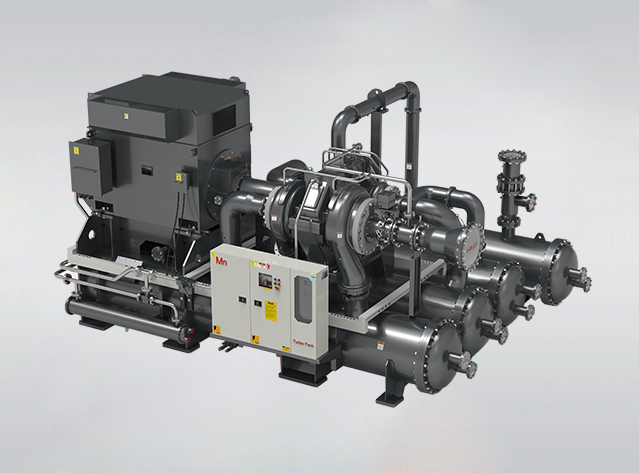
Mn (H) series centrifugal compressor
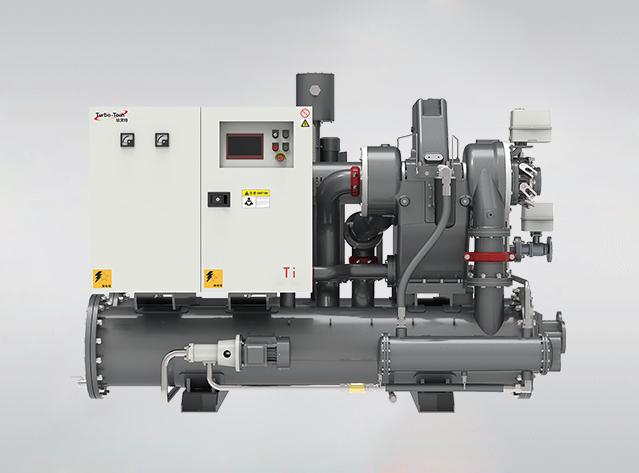
Ti series centrifugal air compressor
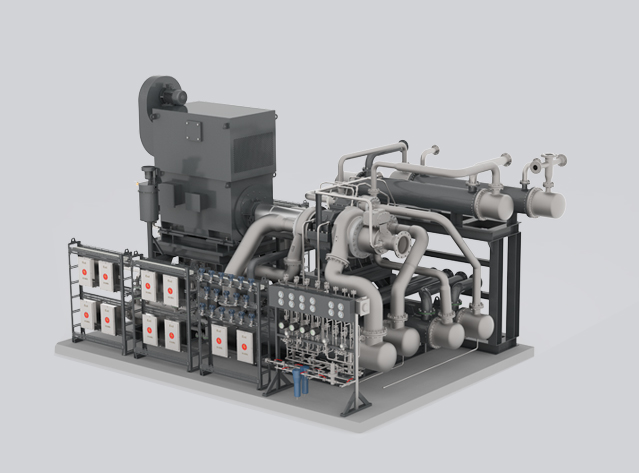
Ra series process gas compressors
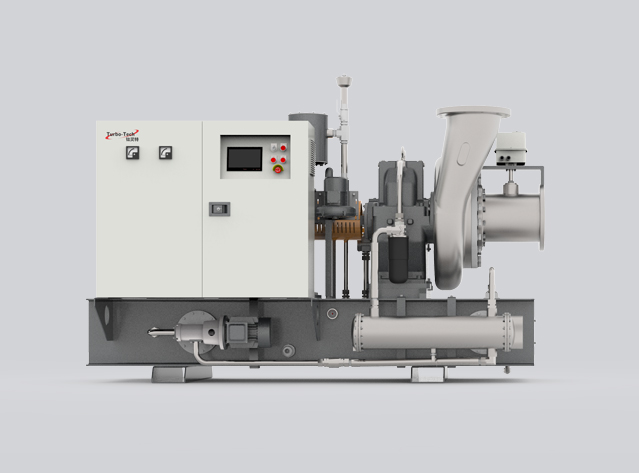
Ni series steam compressor
Tel:400-886-1856/+86 13395157738(Simon)
E-mail:sales@turbo-tech.cn / simonjin@turbo-tech.cn


