
Model analysis of centrifugal gas compressor
Release time:2026-03-02 Click:432
As a key power equipment, centrifugal gas compressor is widely used in petrochemical, air separation and natural gas transportation fields. In the face of diversified working conditions, different types of centrifugal compressors came into being. In this paper, Turbo-Tech will systematically sort out the naming rules and key points of model selection of centrifugal gas compressors, so as to help users select models scientifically and improve the operating efficiency of the system.
Model analysis of centrifugal gas compressor
First,centrifugal compressor model naming rules
Different manufacturers have slightly different naming methods for models, but they usually follow a certain logical structure. The specific meaning needs to refer to the manufacturer's technical manual, and different brands have differences.
Turbo-Tech Ti series: As a general-purpose main model, it adopts advanced pneumatic design, which improves the efficiency by 3-6% compared with traditional models. The highly modular design shortens the delivery cycle and reduces the maintenance cost. The flow range is 1200~24000Nm3/h, and the pressure range is 0.06~1.6MPa(G). It can compress conventional gases such as air and nitrogen, and is suitable for biological fermentation, steel industry and other scenes, and can replace the original series of models such as Til, Va and Cr.
Turbo-Tech Mn(H) series: large-scale high-pressure centrifugal compressor, with a flow range of 1,200 ~ 600,000 nm3/h and a pressure range of 0.12~16.0MPa(G), which can handle air, nitrogen and other gases. It is suitable for large-scale air separation projects, petrochemical feed gas compression, wind tunnel experiments and other key scenes, and can stably meet the technological requirements of high pressure and large flow.
Turbo-Tech Ra series: special compressor for process gas, with the flow range of 1200~600000Nm3/h and the pressure range of 0.25~40.0MPa(G), which can handle all kinds of process gases. The impeller material and sealing form are optimized according to different media characteristics, which can meet the complex process requirements of petrochemical industry, coal chemical industry, natural gas treatment and other industries and run stably and reliably.
Second, the core points of centrifugal gas compressor model selection
The core of model selection is "working condition adaptation and efficiency priority". Based on the information carried by the model, we should pay attention to the following four points to avoid the equipment from meeting the process requirements or wasting energy due to the wrong model selection.
1. Matching of core parameters
The flow rate (Nm3/h, m3/min) and pressure (MPa, bar) in the model are the primary basis for selection, which should be combined with the actual demand of production process. For example, Turbo-TechTi series is suitable for biological fermentation scenes, while Mn(H) series and other high-pressure and large-flow models should be given priority in large-scale air separation projects.
2. Adaptation of dielectric characteristics
Different media have different requirements on the material and sealing mode of the compressor, and the media type or adaptation characteristics are usually marked on the model. Impeller made of special materials and sealing form should be selected for corrosive media, explosion-proof grade and leakage index should be checked for flammable and explosive media, and the temperature adaptation range of equipment should be confirmed for high-temperature and low-temperature media to avoid equipment failure caused by media corrosion or leakage.
3. Structure and environment adaptation
Structural feature identification determines the maintenance convenience and spatial adaptability of the equipment. The cooling mode (water cooling or air cooling) should be selected according to the site conditions, and the low-noise model or supporting sound insulation device should be selected for noise-sensitive and sensitive areas, and the performance correction coefficient should be confirmed for high altitude and high temperature environments.
4. Energy efficiency and after-sales
Different series of models with the same parameters may have great differences in energy efficiency, so giving priority to the model with high-efficiency impeller design can significantly reduce the long-term operation energy consumption; At the same time, give priority to brands with perfect localization service and sufficient spare parts supply to avoid the influence of after-sales lag on production. Mature series models usually have higher running stability and longer service life.
The above is an introduction to "Model Analysis of Centrifugal Gas Compressor: Selection Guide and Product Classification". Choosing a suitable model is not only the key to improve production efficiency, but also the strategic choice to achieve sustainable development. It is suggested to consult manufacturers such as Turbo-Tech Wuxi Co., Ltd. to formulate scientific compressed air system solutions in combination with actual needs.
Hot products
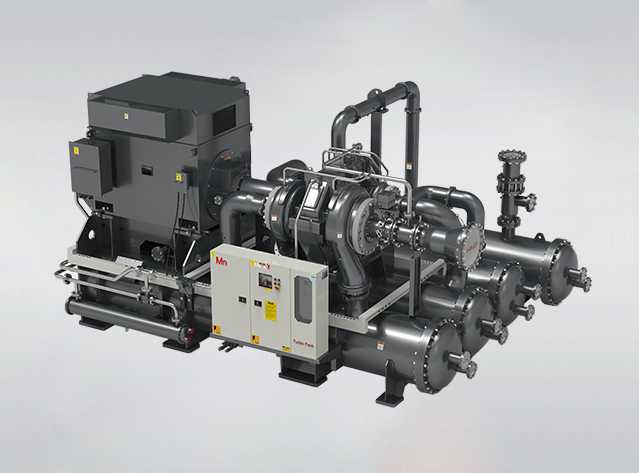
Mn (H) series centrifugal compressor
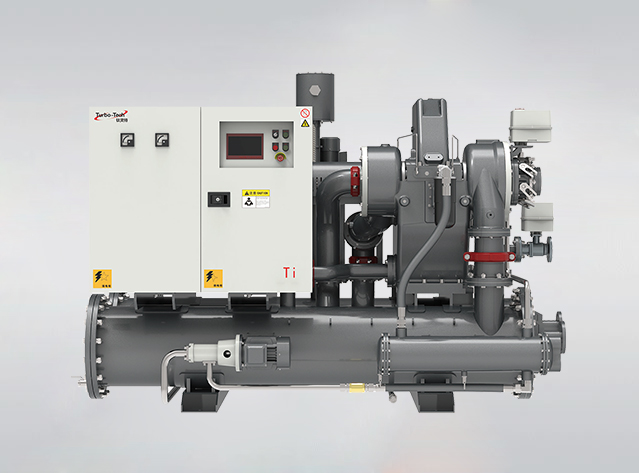
Ti series centrifugal air compressor
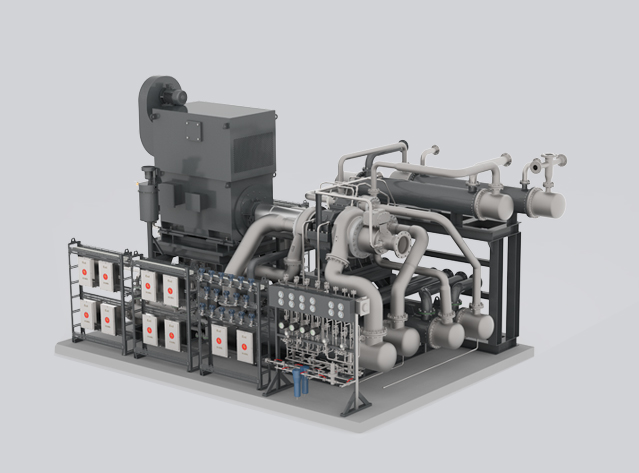
Ra series process gas compressors
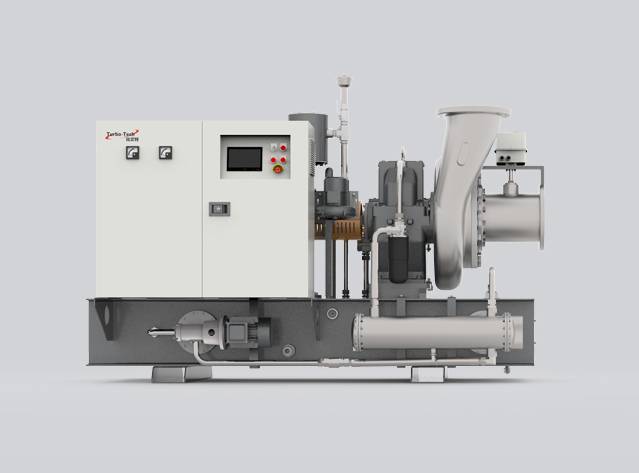
Ni series steam compressor
Tel:400-886-1856/+86 13395157738(Simon)
E-mail:sales@turbo-tech.cn / simonjin@turbo-tech.cn


