
Model specification analysis of centrifugal air compressor
Release time:2026-02-26 Click:412
In the industrial production system, centrifugal air compressor is widely used in chemical industry, energy, air separation and other industries by virtue of its core advantages of large flow, high energy efficiency and stable operation, and has become an indispensable key power equipment in large-scale production. Faced with a wide range of centrifugal air compressor models and specifications, how to choose the right equipment for your factory? Turbo-Tech will sort out the model specifications of centrifugal air compressor for you, and help you achieve accurate matching, high efficiency and energy saving.
Model specification analysis of centrifugal air compressor
First, the core cognition: the naming logic of centrifugal air compressor model (there is no unified standard, and the mainstream law is analyzed)
At present, there is no unified naming standard for centrifugal air compressors in the industry. Different brands (such as Turbo-Tech) will formulate their own naming rules according to their own product characteristics. For example, Turbo-Tech Ti, "Ti" is the standard machine code; Mn(H) series is a large air compressor and booster.
Second, key specifications and parameters: the core basis for selection, both of which are indispensable.
The model specification of centrifugal air compressor is the concentrated expression of core parameters, among which flow, pressure and power are the three core indicators, and then combined with auxiliary parameters such as compression medium, cooling mode and energy efficiency grade, the adaptability of the model is determined together. Defining the meaning of each parameter and its own needs is the premise of type selection.
(Ⅰ) Core parameter 1: Flow (unit: Nm3/h, standard cubic meter/hour)
Exhaust flow refers to the compressed air volume discharged by centrifugal air compressor in unit time under standard working conditions, which is the core index to measure the gas supply capacity of equipment and directly matches the gas demand of production line. The matching between "actual gas flow" and "rated flow of equipment" should be paid attention to when selecting the type, so as to avoid two extremes: one is that the rated flow is too large, resulting in waste of energy consumption; Second, the rated flow rate is insufficient to meet the peak gas demand, which affects the continuity of production.
(II) Core parameter 2: Exhaust pressure (unit: MPa, MPa)
Exhaust pressure refers to the pressure of compressed air discharged by air compressor, also known as working pressure, which needs to be accurately matched with the gas pressure required by production process. Too high or too low will affect production efficiency and equipment use.
Note: The pressure margin of 10%-15% should be reserved in the selection, so as to deal with the problems such as pipeline loss and pressure fluctuation, avoid frequent start-up and stop of equipment due to insufficient pressure, and prevent excessive pressure from increasing energy consumption and equipment wear.
(Ⅲ) Core parameter 3: Motor power (unit: kW, kW)
Motor power is the power source to drive the centrifugal air compressor, which directly determines the energy consumption and operation stability of the equipment, and is positively related to the exhaust flow and pressure-the greater the flow and pressure, the greater the motor power required.
(Ⅳ) Auxiliary parameters: affecting the adaptability of selection and operation.
1. Compressed medium: Conventional models use air as the medium, which is suitable for most common scenarios; Special models can adapt to process gases such as nitrogen, natural gas, hydrogen, carbon dioxide, etc., such as Turbo-TechRa series. They are specially designed to meet the compression requirements of process gases, and are suitable for petrochemical, coal chemical and other industries. Special treatment has been made in material selection and sealing design to ensure long-term and stable operation.
2. Cooling mode: divided into water cooling type (W) and air cooling type (F). Water-cooling type has high heat dissipation efficiency and stable operation, and is suitable for large-scale aircraft, high-temperature working conditions or scenes with good water quality, and needs supporting cooling water system; The air-cooled type does not need cooling water, so it is convenient to install and simple to maintain. It is suitable for small and medium-sized models, water-deficient areas or mobile gas scenes, and it is necessary to ensure good ventilation to avoid overheating caused by poor heat dissipation.
3. Structural features: including bearing type, compression stage, etc. Multi-stage compressor type can realize higher pressure output through multi-stage impeller pressurization, and the multi-stage can reach more than 10, which is suitable for high-pressure demand scenarios.
The above is an introduction to "Analysis of centrifugal air compressor model specifications". For enterprises, correctly selecting centrifugal air compressor model specifications can not only ensure the continuous and efficient operation of production lines, but also reduce energy consumption and operation and maintenance costs, and provide support for enterprises to reduce costs and increase efficiency. It is suggested that before type selection, we should improve the statistics of our own gas consumption parameters, combine industry cases and brand suggestions, and comprehensively consider parameter matching, energy efficiency grade, structural characteristics and after-sales guarantee, so that centrifugal air compressors can truly adapt to production needs and exert their maximum value.
Hot products
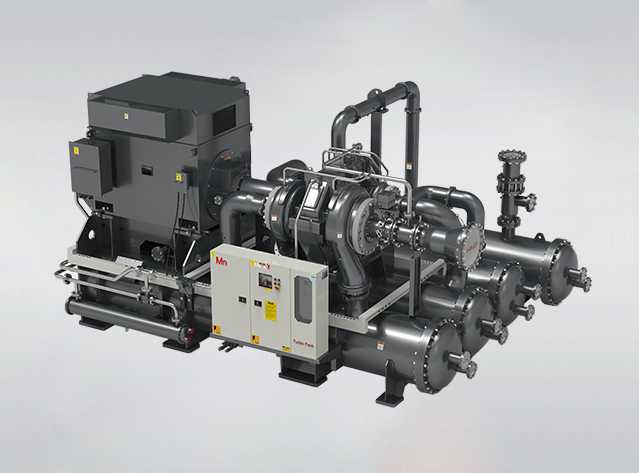
Mn (H) series centrifugal compressor
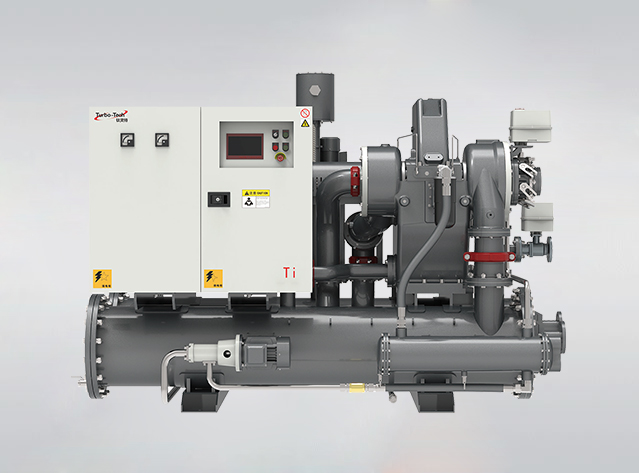
Ti series centrifugal air compressor
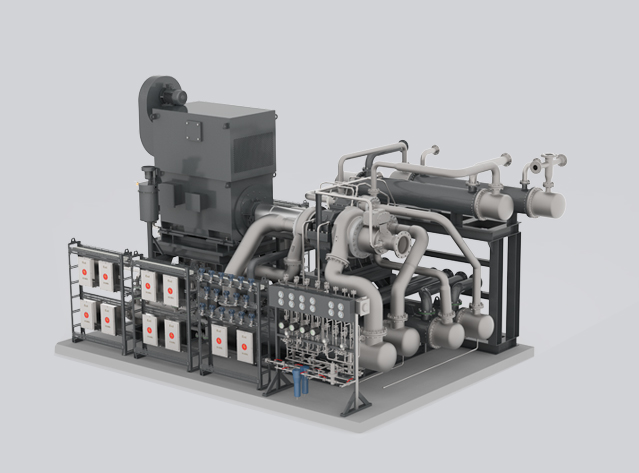
Ra series process gas compressors
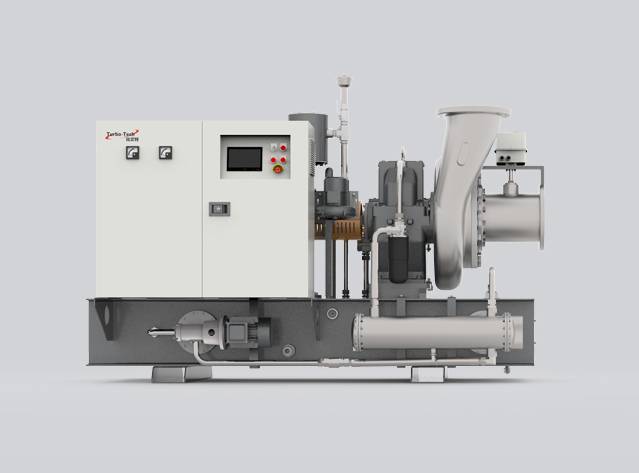
Ni series steam compressor
Tel:400-886-1856/+86 13395157738(Simon)
E-mail:sales@turbo-tech.cn / simonjin@turbo-tech.cn


